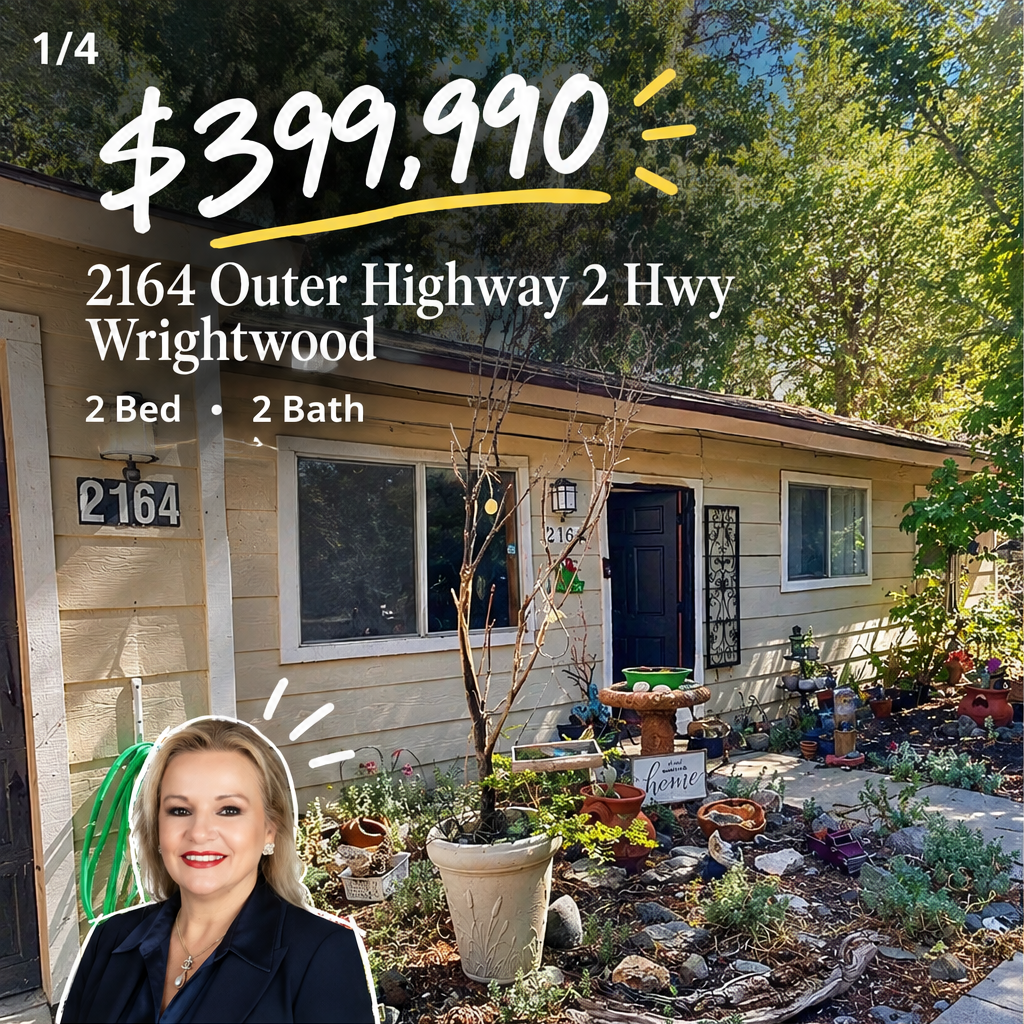
Author: Erica Nicolai DRE 01987192
-
The Housing Market Is Getting More Negotiable
Inventory is improving in several markets, giving buyers more listings to compare and reducing the pressure to make quick offers.
Buyers have more negotiating power, especially on homes that have been sitting longer or were initially priced above current market demand.
Sellers are competing through price and terms, with concessions, repairs and price adjustments becoming more important to attract serious buyers.
Takeaway: Buyers should compare listings carefully and negotiate; sellers need realistic pricing and stronger terms to stand out as conditions shift. -
Roof Repairs Start Near $150
In California, work valued at $500+ generally requires a state-licensed contractor, making license checks an essential first step before comparing any roof repair quote.
State guidance recommends at least three written bids on the same scope, because matching assumptions about decking, flashing, and underlayment makes price comparisons far clearer.
California home-improvement contracts cap down payments at 10% of the contract price or $1K, whichever is less, helping homeowners manage payment risk.
Licensed California roofing contractors must carry workers' compensation insurance or approved self-insurance, adding another credential homeowners should verify before signing any contract.
For California roofing jobs, confirm permit rules with your local building department, since the state's current building standards code took effect on January 1, 2026. -
Report: Building More Homes Reduces Overall Driving
Building more homes in neighborhoods with reliable public transit and walkability can reduce vehicle miles traveled in California, aiding climate and health goals. Current housing plans may cut driving by about 1%, but strategic placement focused on reducing driving could achieve up to a 6% reduction per capita. Local governments need better state support, data, and guidance to prioritize housing in car-light areas and help meet the state's carbon reduction targets.
Continue to full article -
Over 55 in California, You Can Sell the House and Take Your 1985 Property-Tax Bill With You to the New One, Anywhere in the State, Up to Three Times
California homeowners aged 55 or older can transfer their long-held property tax assessment to a replacement home anywhere in the state up to three times, under Proposition 19. The replacement home must be the primary residence, and if it costs more, the assessed value increases by the price difference. The transfer requires filing a claim within two years with the county assessor; otherwise, the benefit is lost. This rule also applies to disabled homeowners and disaster victims.
Continue to full article -
Three U.S. Housing Signals for September
Pending home sales turned slightly negative yearly in the latest reading, ending an 8 mo streak of gains as higher borrowing costs cooled buyer momentum.
Contract signings also softened yearly, homes took 60 days to sell, and mortgage rates climbed from ~6% in Late-Q1 to the high-6% range recently.
Buyers gained some leverage: median list price slipped to $424.5K, price cuts reached ~20% of listings, delistings fell yearly, and active inventory ↑~4%.
Even with more listings, national inventory stayed ~11% below typical pre-pandemic levels, showing the US still faced a persistent housing shortage beneath current buyer hesitation.
Currently, experts are watching seller delistings, pricing strategy, and whether regional differences keep narrowing as buyers and sellers adjust to firmer borrowing costs. -
Why Buyers and Sellers Are Stuck
Higher mortgage rates are slowing demand, making monthly payments harder to justify and pushing more buyers to wait.
Pending sales are losing momentum, showing that fewer buyers are moving from house hunting to actually making offers.
Homeowners with cheaper existing mortgages aren’t eager to move, keeping many potential listings off the market.
The result? A housing stalemate: buyers want better payments, sellers don’t want to give up cheap loans, and transactions remain unusually slow. -
Lower Mortgage Rates Help US Buyers Qualify
I’m seeing an encouraging shift in the lending landscape: while mortgage rates are still higher than they were at the start of 2026, they’re actually lower than what we saw in 2025. This subtle but meaningful change is opening doors for more buyers, as qualification is becoming more accessible. In my experience working across the High Desert, Mountain Communities, and throughout San Bernardino and beyond, improved affordability is making a real difference—especially in the condominium market, which is showing signs of stabilization. In several metros, condos are even outpacing single-family homes in price growth, drawing renewed interest from buyers who value both opportunity and flexibility.
For homeowners, these price gains can translate into increased housing wealth—a win for those considering their next move. And for buyers, especially in our Midwest markets where affordability remains a strong point, these conditions can make planning and financing feel much more achievable. I’m always watching for ways my clients can navigate changing rates and find workable paths to homeownership, whether you’re seeking a rural retreat, a luxury estate, or your first condo. It’s all about finding the right fit, with the right financing, as the market continues to evolve.
-
US Buyer Affordability Signals Start Improving
A housing economist says the condo market is stabilizing after prior weakness, with some metros now seeing condo price gains outpace single-family homes.
Improved affordability is drawing buyers back toward condos, creating a practical option for shoppers seeking lower entry points in active markets today.
Mortgage rates are higher than earlier in 2026, but a housing economist says they remain comfortably below yearly levels for buyers now.
Lower mortgage rates are expected to help more potential buyers qualify and obtain financing, widening access as affordability conditions improve for households.
Buyers should watch condo choices and mortgage qualification closely, because both themes point to more practical paths for entering active markets now.